








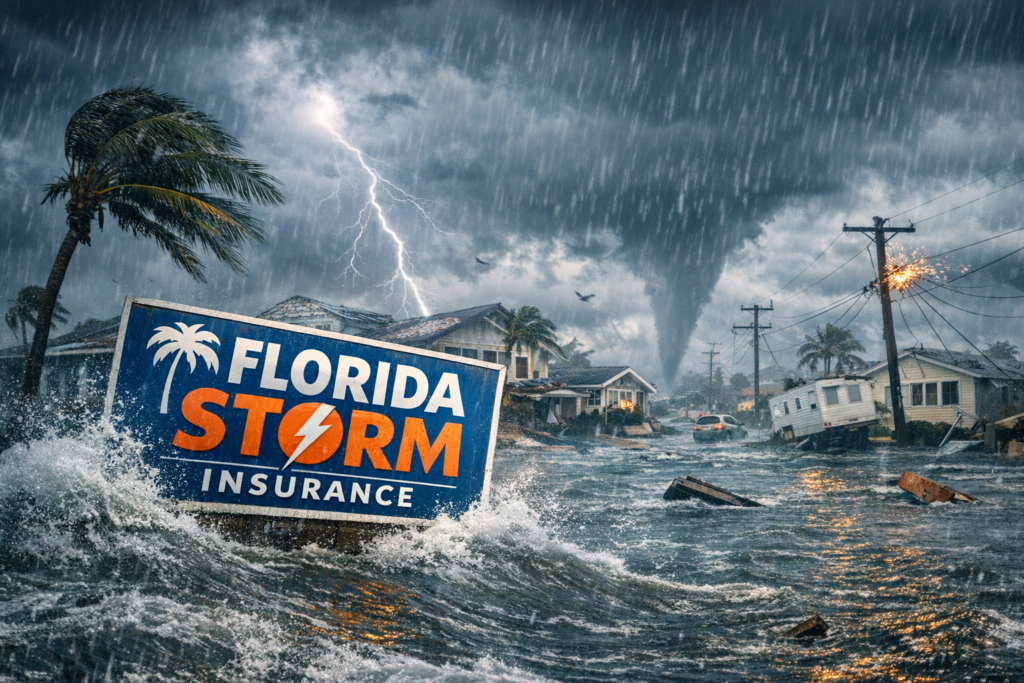
Florida is famous for its sunny beaches and warm weather, but it also faces frequent storms and hurricanes. Every year, residents prepare for unpredictable weather that can cause severe damage. Because of these risks, having the right storm insurance becomes essential for all Florida homeowners. Not all policies cover every type of storm damage, so understanding your options is important. By knowing what each type of insurance offers, you can protect your property and your peace of mind. In the following sections, we will explore the different kinds of storm insurance available in Florida. We will also discuss how each policy can help shield you from financial loss. With the right knowledge, you can make informed decisions and safeguard your home against Florida’s toughest weather.
Understanding the Basics of Florida Storm Insurance
Florida homeowners know that storms are a part of life, so insurance is a necessity. When it comes to storm insurance, not all policies are created the same. Many standard homeowners’ insurance policies might cover some wind damage, but often exclude damage from flooding or hurricanes. Therefore, it’s crucial to examine your policy and see what is actually covered. Storm insurance serves as an umbrella term that covers various specific policies, each designed to address different threats. Insurance agents in Florida often recommend reviewing your coverage yearly, especially before hurricane season starts.
Since Florida is a high-risk state for storms, many insurance companies have specific requirements. For example, you may need to prove that you have storm shutters or a reinforced roof to qualify for certain coverages. Taking preventative steps can sometimes lower your premiums, so it’s a good idea to ask your agent about ways to reduce costs. Companies often adjust their policies and prices after a major storm, so staying informed helps you avoid unpleasant surprises. Being proactive with your insurance decisions can make a significant difference when a storm actually hits.
When you understand the basics, you can build a safety net that fits your needs. Each type of storm insurance plays a unique role in your overall protection plan. By exploring your options and understanding what each policy does, you can avoid costly gaps in coverage. The right combination of policies can save you from financial stress after a disaster. Keeping your insurance up to date should always be part of your storm preparation plan.
Exploring Hurricane Insurance Options for Homeowners
Hurricane insurance is especially important for Florida homeowners because the state faces some of the strongest storms in the country. Most standard homeowners’ policies do not fully cover hurricane-related damage, particularly when it comes to flooding or wind from hurricanes. Instead, homeowners often need a special hurricane policy or endorsement. These policies may involve separate deductibles, meaning you could pay more out of pocket before your coverage starts. Always check your policy documents carefully to understand what is included and what is not.
Some insurance companies offer hurricane coverage as an add-on to your existing homeowners policy. Others may require you to purchase a standalone policy, especially if you live in a high-risk area. The cost and coverage can vary widely depending on your home’s location and its construction. Homes closer to the coast usually pay higher premiums because the risk of hurricane damage is greater. Be sure to discuss your options with a licensed insurance agent who understands local risks.
When a hurricane approaches, insurance companies may temporarily stop issuing new policies or making changes to existing ones. This means you should review your coverage well before hurricane season starts. By planning, you avoid being left without protection when you need it most. Remember to document your home’s condition with photos before storm season begins, so you have proof if you need to file a claim. Keeping your policy current and understanding your hurricane insurance options will help you recover more quickly after a storm.
Flood Insurance: Protecting Your Property from Water Damage
Flooding is one of the most common and costly natural disasters in Florida. Many homeowners are surprised to learn that standard policies rarely cover flood damage, even if it results from a hurricane or heavy rain. For complete protection, you need a separate flood insurance policy. These policies are often provided through the National Flood Insurance Program, but private insurers also offer them. Flood insurance covers both structural damage and personal belongings, giving you peace of mind during Florida’s rainy season.
When deciding whether to buy flood insurance, consider your home’s location and elevation. Properties in designated flood zones face a much higher risk and may even be required by lenders to carry flood coverage. However, even homes outside these zones can suffer costly flood damage during heavy storms or hurricanes. By purchasing flood insurance, you avoid paying out of pocket for repairs or replacements after the water recedes. Many policies have a waiting period before coverage begins, so it is wise to buy coverage well in advance of storm season.
Flood insurance is an important part of any comprehensive storm protection plan. Water damage can ruin floors, walls, appliances, and cherished belongings. With flood insurance, you can repair and replace what was lost without draining your savings. Talk to your insurance agent about your flood risk and get a policy that fits your needs. Being prepared for floods helps you recover faster and reduces the stress after a storm.
Windstorm and Hail Coverage for Extra Peace of Mind
Florida’s storms often bring fierce winds and hail, which can cause significant damage to roofs, windows, and siding. Many homeowners’ insurance policies include some protection against wind and hail, but the details can vary. In coastal areas or high-risk zones, insurance companies may require you to purchase additional windstorm coverage. Windstorm insurance is designed to fill gaps not covered by standard policies, giving you extra protection when strong winds hit.
Some policies come with higher deductibles for windstorm or hail damage, especially in hurricane-prone areas. It is important to read your policy and understand how much you would pay before the insurance kicks in. Ask your agent to explain any exclusions or limits in your coverage. If you live in a mobile home or an older house, you may face different requirements or higher premiums. Taking steps like reinforcing your roof or installing impact-resistant windows can sometimes help you qualify for discounts.
Hailstorms are less frequent than hurricanes but can still be destructive. A single storm can leave you with broken windows, damaged siding, and ruined landscaping. With proper windstorm and hail insurance, you can repair your home quickly and avoid high out-of-pocket costs. Review your policy every year to ensure you have the right amount of coverage for your situation. Protecting your home from wind and hail damage adds an extra layer of security during Florida’s unpredictable storm season.
Conclusion
Choosing the right storm insurance in Florida can feel overwhelming, but it is a vital step in protecting your home and family. Every type of storm brings its own set of challenges, so a one-size-fits-all approach rarely works. By taking the time to understand the basics, you empower yourself to make smarter decisions about your coverage. Hurricane, flood, windstorm, and hail insurance each play a specific role in keeping your property safe. Regularly reviewing your policies helps you stay prepared as your needs or risks change over time. Talking to a knowledgeable insurance agent ensures you get the most comprehensive protection available. Preventative measures, like upgrading your home’s storm defenses, can sometimes lower your premiums and improve your peace of mind.